✒️:. Bhat Sehran
Culture and heritage are the strongest pillars of human civilization. They shape societies, guide behavior, and preserve the identity of people across generations. Culture is not something limited to history books or museums. It is a living reality that exists in everyday life. It can be seen in the way people speak, dress, celebrate festivals, prepare food, and treat one another. Heritage represents the legacy left behind by our ancestors. It includes traditions, values, historical places, art, literature, and collective memories. Together, culture and heritage connect the past with the present and give direction to the future.
In the modern world, life has become fast and technology driven. People are often focused on progress, comfort, and innovation. While development is necessary, it should not come at the cost of losing cultural roots. Culture gives meaning to development. Without it, societies may grow economically but become weak morally and socially. Culture teaches patience, respect, unity, and responsibility. These values are essential for building a peaceful and balanced society.
Culture exists in many forms. Language is one of the most powerful expressions of culture. It carries emotions, wisdom, and history. When a language disappears, a unique way of thinking also disappears. Food is another important part of culture. Traditional dishes tell stories of geography, climate, and history. Festivals bring people together and strengthen social bonds. Music, dance, and art express emotions that words often cannot. All these elements together form the cultural identity of a community.
Heritage, on the other hand, is a reflection of human creativity and experience over centuries. Ancient monuments, historical buildings, manuscripts, and traditional crafts remind us of the achievements and struggles of earlier generations. These heritage sites are not just stones and structures. They are symbols of knowledge, faith, sacrifice, and imagination. They teach valuable lessons about resilience and innovation. Preserving heritage means respecting the journey of humanity.
One of the most remarkable features of culture and heritage is diversity. Every region and community has its own traditions and customs. This diversity makes the world vibrant and meaningful. In countries like India, cultural diversity is deeply rooted in everyday life. Different languages, religions, traditions, and lifestyles coexist. Despite differences, people share common values such as respect for elders, hospitality, and harmony. Cultural diversity promotes understanding and teaches people to appreciate differences rather than fear them.
Culture also plays a vital role in shaping individual and collective identity. It gives people a sense of belonging. Knowing one’s culture builds confidence and pride. It helps individuals understand their place in society. Cultural identity provides emotional strength, especially during difficult times. For young people, culture serves as a guide. It helps them stay connected to their roots while adapting to modern challenges. A society that values its culture creates citizens who are aware, responsible, and compassionate.
However, culture and heritage are facing serious threats in the present era. Rapid globalization has influenced lifestyles around the world. Traditional customs are being replaced by uniform trends. Many indigenous languages are disappearing. Traditional art forms struggle to survive due to lack of support. Heritage sites are often damaged by pollution, neglect, and irresponsible tourism. In some cases, people view culture as outdated, forgetting that it is the foundation of progress.
Another challenge is the gap between generations. Younger generations sometimes feel disconnected from traditions. This disconnect weakens cultural continuity. When traditions are not passed on, they slowly fade away. Modern technology, though useful, often reduces face to face interaction and community bonding. If these challenges are not addressed, future generations may inherit a world rich in technology but poor in values.
Preserving culture and heritage requires collective effort. Education plays a crucial role in this process. Schools should teach cultural history and moral values along with modern subjects. Students should be encouraged to explore their traditions and heritage. Families play an equally important role by sharing stories, customs, and practices with children. Governments must protect heritage sites and invest in cultural preservation programs. Communities should support local artists, writers, and craftsmen.
Technology can also be used as a powerful tool for preservation. Digital platforms can document languages, traditions, and art forms. Social media can spread cultural awareness and appreciation. When used wisely, technology can bring culture closer to the younger generation. Cultural festivals, exhibitions, and literary events also help keep traditions alive.
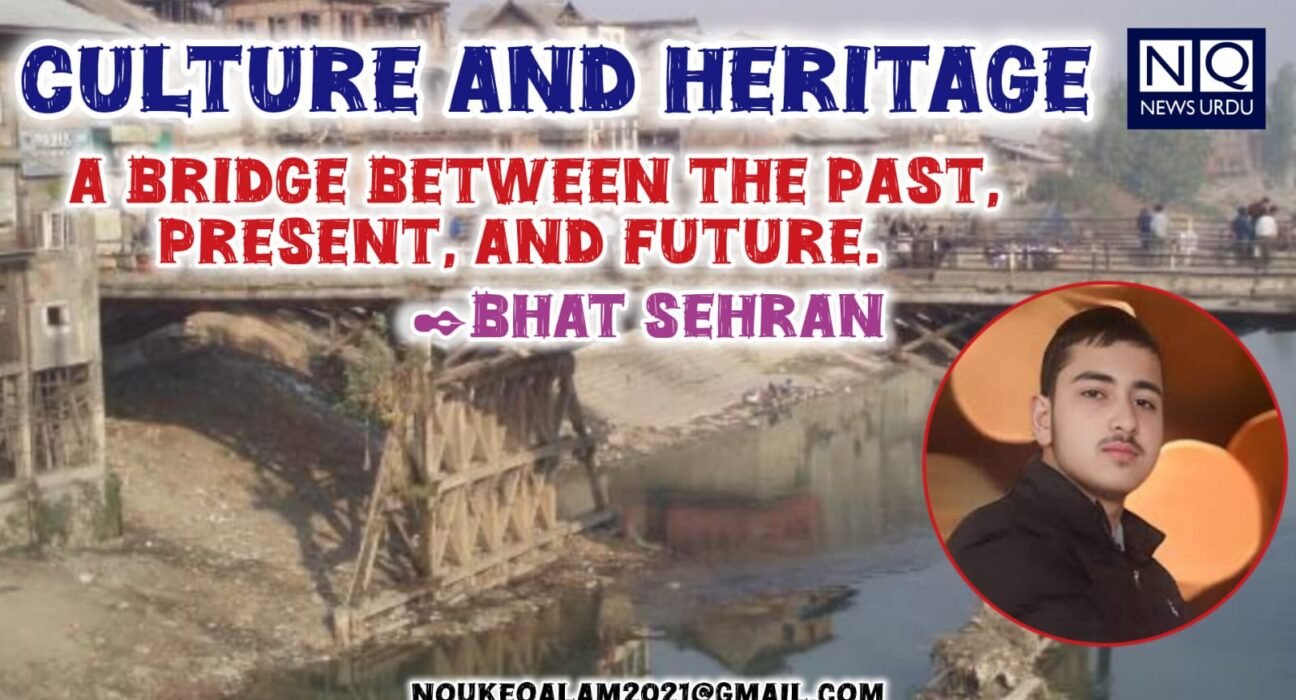
Youth have a special responsibility in preserving culture and heritage. They are the bridge between the past and the future. Young people can reinterpret traditions in creative ways while respecting their essence. Through writing, art, research, and community work, they can promote cultural values. When youth take pride in their heritage, culture remains alive and relevant.
In conclusion, culture and heritage are not just remnants of the past. They are living forces that shape societies and guide humanity forward. Preserving them is not a choice but a responsibility. A world that respects culture and heritage is a world that values wisdom, diversity, and unity. By protecting our cultural roots, we ensure that future generations inherit not only progress but also identity, values, and a sense of belonging.
Support Independent and Impartial Journalism
Nouk-e-Qalam News is a free and independent journalistic platform. To maintain our ethical standards and avoid obscene advertisements, we have disabled Google Ads. We now rely on your generous financial support to continue our unbiased reporting. Our Writers and readers are kindly urged to contribute—daily, weekly, or monthly. Thank you for standing with truth.