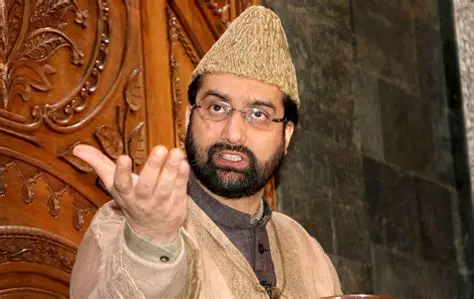
Mirwaiz said I meet you on the first Friday of the year not at Jama Masjid, as the Mirwaiz should, but on social media, once again under house arrest.
The memories of 2025 remain painful. The Pahalgam attack shook the Valley and was widely condemned, yet it caused fear, targeting, and demolitions. This was followed by another India–Pakistan war, highlighting how fragile peace in the region remains. The year ended with a deadly blast in New Delhi.
Despite changes in 2019, the Kashmir conflict continues to keep the region unstable. Wars pause but do not end. Dialogue finds no space. Trust between Kashmiris and New Delhi has widened. Silence is projected as consent. Problems remain unaddressed, the elected UT government feels powerless, and people fear losing their identity due to demographic and constitutional changes.
The banning of the Awami Action Committee and Ittihadul Muslimeen has further shrunk space for political expression. Dissent is criminalised, disagreement branded anti-national, and public platforms closed. I cannot hold press conferences, move freely, or address Jama Masjid. Last year, I was under house arrest for fourteen Fridays. This is suffocating for me and the society I represent.
With offices sealed, leaders jailed or surveilled, social media remains the only channel to reach people. Changes to my profile were made to safeguard this minimal space. My beliefs and convictions remain unchanged.
My commitment to my people is non-negotiable. For over three decades, I have represented all communities, highlighted the plight of youth and leaders in jails, and supported the return of Kashmiri Pandits. My role as Mirwaiz is to be a channel for peace, brotherhood, and reconciliation. I have engaged with Indian leadership in sincere dialogue and will continue to do so.
Peace is possible. Kashmiris remain hopeful. When dialogue is sincere and guided by “insaniyat aur jamhooriyat”, real peace can prevail.
Support Independent and Impartial Journalism
Nouk-e-Qalam News is a free and independent journalistic platform. To maintain our ethical standards and avoid obscene advertisements, we have disabled Google Ads. We now rely on your generous financial support to continue our unbiased reporting. Our Writers and readers are kindly urged to contribute—daily, weekly, or monthly. Thank you for standing with truth.